How the Technology Works
From Agricultural Waste to Sustainable Fuels
Converting renewable carbon into low-carbon transportation fuels

RENEWABLE FEEDSTOCKS
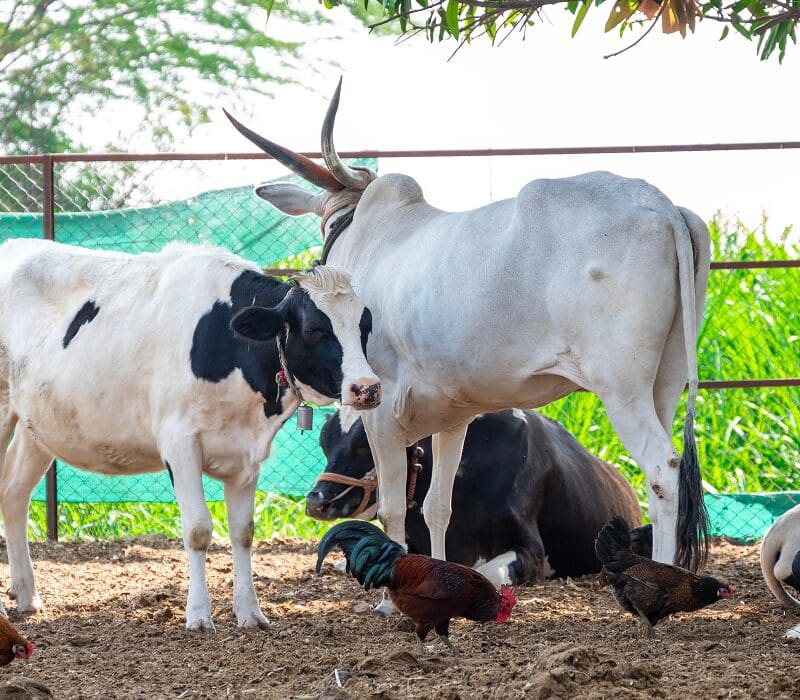

Dairy Manure

Poultry Litter

Agricultural Residues


BIOGAS
PRODUCTION
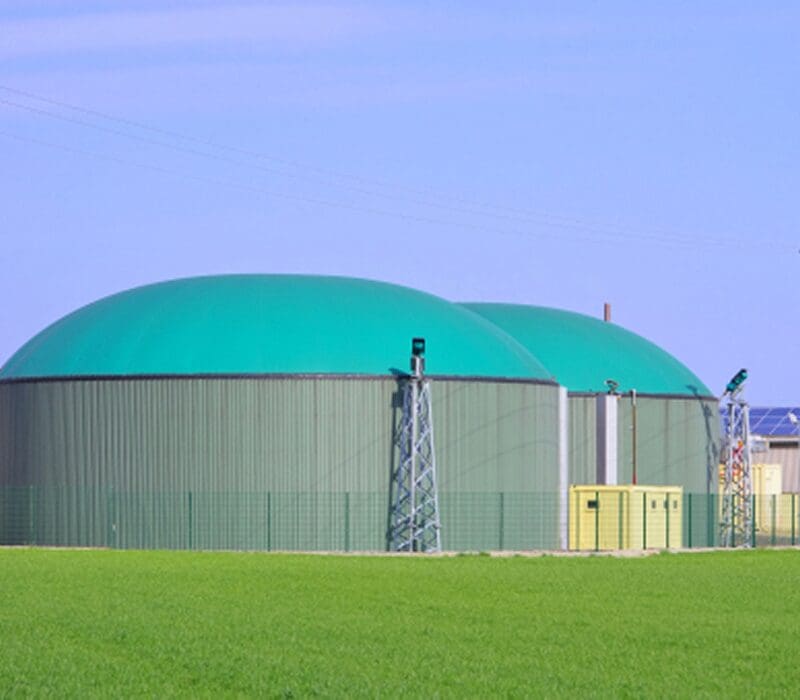
Anaerobic digestion converts agricultural feedstocks into renewable biogas.


CARBON CONVERSION
Biogas and CO₂ are converted into clean syngas for fuel production.


FUEL
SYNTHESIS
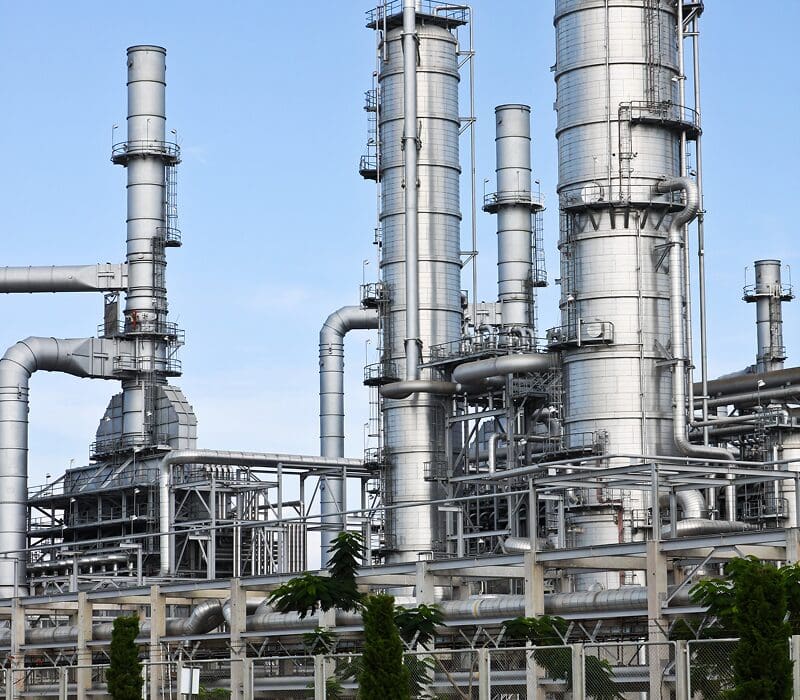
Fischer–Tropsch technology converts syngas into liquid hydrocarbons.
Renewable carbon is transformed into transportation fuel molecules.


RENEWABLE
FUELS


Sustainable Aviation Fuel (SAF)
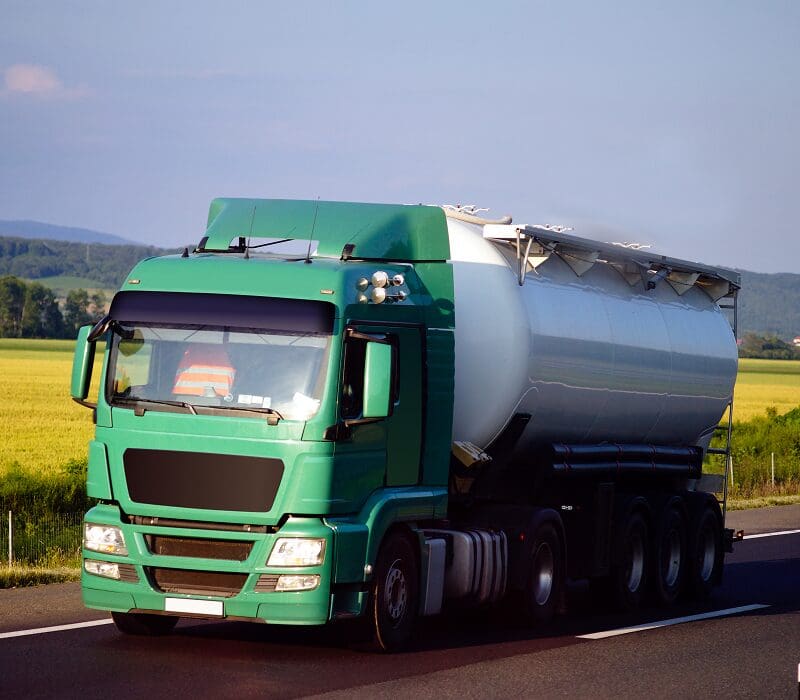
Renewable Diesel
Renewable Naphtha
Drop-in fuels for aviation, transportation, and industrial markets.

Transforming Renewable Carbon Into Low-Carbon Fuels
Agra Energy integrates leading partner technologies to create scalable, farm-based renewable fuel production.


RENEWABLE CARBON
Turning resources into renewable solutions.

STRATEGIC PARTNERSHIPS
Collaborating with best-in-class technology leaders.
SCALABLE SOLUTIONS
Designed for distributed, farm-based production.
-
LOW-CARBON FUTURE
Delivering cleaner fuels for a sustainable tomorrow.
01 — Technology Collaboration
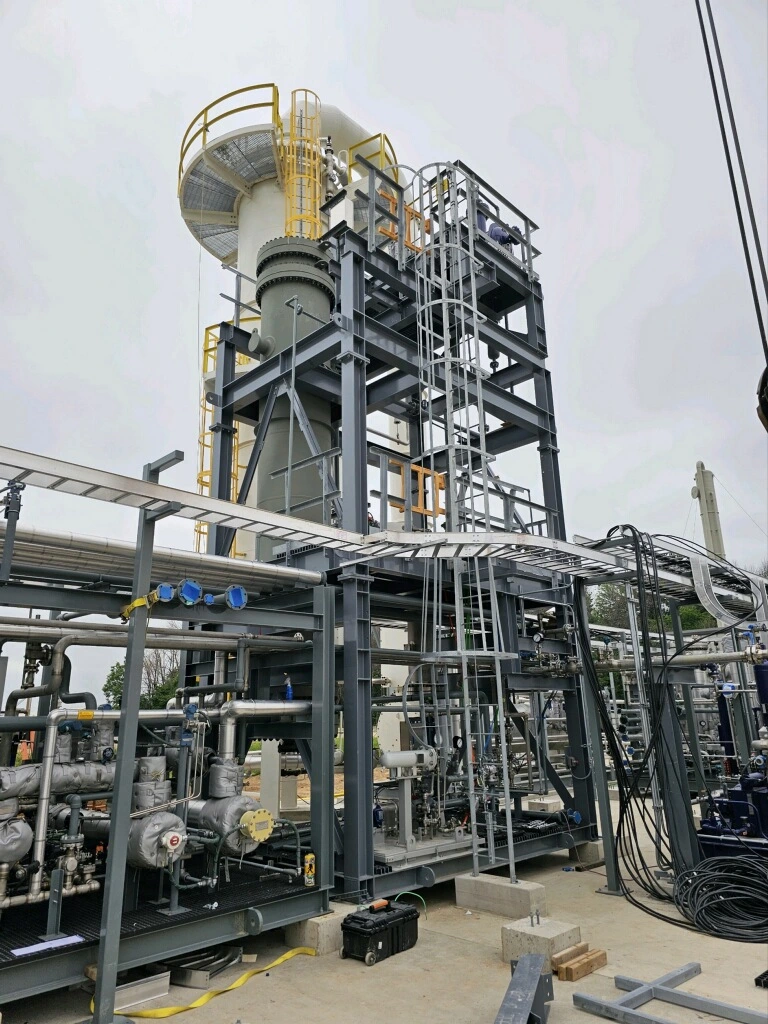
New Franken FT Reactor

Technology Collaboration
Agra Energy's technology platform is built on the HYCO1 process—a proven syngas conversion pathway that achieves the highest efficiency in the industry by utilizing all carbon present in the biogas stream, including both methane and carbon dioxide.
This collaboration with HYCO1 delivers a fundamentally superior economics model: more fuel per unit of biogas, lower capital costs per unit of output, and a carbon intensity score that outperforms conventional RNG and biogas-to-fuel pathways.
By utilizing all of the carbon from the renewable natural gas AND carbon dioxide, we provide a >20% improved yield per biogas unit.
Conventional pathways discard the CO₂ fraction of biogas. HYCO1 converts it—turning a waste stream into additional fuel yield and a stronger carbon intensity score.
SYNGAS AT THE HIGHEST EFFICIENCY
The HYCO1 process converts biogas to syngas at industry-leading efficiency—maximizing the energy content extracted from every unit of feedstock delivered to the facility.
CO₂ UTILIZATION— 95%+ CONVERSION
Rather than separating and venting CO₂, HYCO1 converts it alongside methane. At 95%+ CO₂ conversion, this delivers a greater than 20% improvement in fuel yield per biogas unit compared to conventional pathways.
REDUCED SEPARATION AND PURIFICATION COSTS
By utilizing CO₂ in the conversion process rather than removing it, HYCO1 eliminates the capital and operating costs of conventional biogas upgrading and CO₂ separation infrastructure.
LARGER FACILITIES. BETTER ECONOMICS.
HYCO1 enables larger facility throughput at the same biogas feed rate—improving economies of scale without requiring additional feedstock supply. More output from the same resource base.
LOWER OPERATIONAL COSTS
Simple plant design, fewer process steps, and reduced utility consumption combine to deliver meaningfully lower operating costs per unit of fuel produced—supporting project economics across diverse market conditions.
CATALYST-DRIVEN ENERGY EFFICIENCY
Advanced catalyst technology at the core of the HYCO1 process drives improved energy efficiency throughout the conversion pathway—reducing energy input requirements and improving overall carbon intensity performance.
02 — Conversion Technology
Mechanical Technology and Catalyst Performance
The Agra Energy/Hyco1 process is a thermochemical conversion pathway—mechanical in nature, not biological. Biogas enters the system and is converted to syngas through a catalytic reforming process that operates at high efficiency and consistent product quality.
Catalyst selection and management are central to the HYCO1 advantage. The catalyst system is engineered for long service life, resistance to common biogas contaminants, and consistent conversion performance—reducing maintenance requirements and supporting reliable, low-cost operations.
CATALYTIC REFORMING
Biogas—methane and CO₂—is converted to hydrogen and carbon monoxide (syngas) through a catalytic dry reforming reaction. The catalyst drives high conversion rates at optimized operating conditions.
Fischer-Tropsch Synthesis
Syngas is converted to liquid hydrocarbons via Fischer-Tropsch synthesis—producing SAF, renewable diesel, and renewable naphtha at high purity and consistent specification.
Catalyst Longevity and Management
The HYCO1 catalyst system is designed for extended service life and predictable regeneration cycles—minimizing downtime and reducing per-unit operating costs over the facility's lifetime.
Product Purity and Specification
Liquid fuel products meet applicable ASTM and regulatory specifications for SAF, renewable diesel, and naphtha—supporting direct entry into established fuel distribution and certification pathways.
03 — Plant Design Philosophy
Keep It Simple. Keep It Reliable.
The Agra Energy plant design follows a deliberate principle of simplicity. Fewer process steps, fewer rotating equipment items, and a streamlined process flow reduce capital cost, minimize maintenance requirements, and improve overall system reliability.
This design philosophy is not a compromise—it is a competitive advantage. By eliminating process complexity that adds no value, Agra Energy facilities achieve lower capital costs per unit of output and lower operating costs per unit of fuel produced than competing conversion pathways.
The result is a facility that is easier to operate, easier to maintain, and more resilient to the operational variability inherent in agricultural feedstock environments.

Reduced Process Steps
The HYCO1 pathway eliminates conventional biogas upgrading and CO₂ separation—removing entire process units and the capital and operating costs associated with them.

Lower Capital Cost Per Unit
Simplified plant design translates directly to lower installed capital cost per unit of fuel production capacity—improving project economics and reducing financing requirements.

Standardized Equipment Selection
Process equipment is selected for reliability, availability, and serviceability in remote agricultural environments—reducing lead times and supporting the repeatable deployment model.

Reduced Operator Requirements
Simpler plant design requires fewer operators per facility and supports efficient multi-site management—a key enabler of the Agra Energy platform economics.
04 — Resulting Products
High-Purity Renewable Fuels at Specification
The Agra Energy process produces liquid renewable fuels that meet applicable ASTM and regulatory specifications—ready for direct entry into established fuel distribution, blending, and certification pathways.
Sustainable Aviation Fuel
Drop-in aviation fuel meeting the ASTM D7566 specification. Supports airline Scope 3 emissions reduction commitments and SAF certificate generation under book-and-claim frameworks.
Renewable Diesel
High-cetane renewable diesel meeting the ASTM D975 specification. Direct drop-in replacement for petroleum diesel with no blending limits—supporting transportation and industrial fuel markets.
Renewable Naphtha
Renewable naphtha co-product suitable for petrochemical feedstock and blending applications—providing an additional revenue stream and improving overall project economics.
05 — Environmental Attributes
Verified Carbon Value at Every Stage
Agra Energy projects are structured to generate verified environmental attributes alongside fuel production—creating diversified revenue streams and supporting corporate sustainability commitments across aviation, transportation, and industrial markets.
RINs (Renewable Identification Numbers)
Federal renewable fuel standard credits generated from qualifying fuel production under EPA pathways.
LCFS Credits
Multiple US State's Low Carbon Fuel Standard credits for fuels with verified low carbon intensity scores.
45Z Clean Fuel Production Credit
Federal tax credit for clean fuel production—providing additional economic value for qualifying renewable fuel output.
Carbon Offsets
Verified emission reductions from methane capture and destruction, eligible for voluntary carbon markets.
Frequently Asked Questions
How does Agra Energy convert biogas into renewable fuels?
Agra Energy's technology pathway converts biogas into syngas through catalytic reforming. The syngas then moves through Fischer-Tropsch synthesis and refining and upgrading processes to produce renewable fuels such as sustainable aviation fuel, renewable diesel, and renewable naphtha.
What makes the HYCO1 process different from conventional biogas pathways?
The HYCO1 process utilizes both methane and carbon dioxide in the biogas stream. Rather than separating and discarding the CO₂ fraction, the process converts it alongside methane, helping increase fuel yield from the available biogas.
How does CO₂ utilization improve fuel yield?
By converting CO₂ rather than removing it from the biogas stream, the HYCO1 process utilizes more of the available carbon. Agra Energy's existing technology data states that this approach provides a greater than 20% improvement in fuel yield per biogas unit.
What renewable fuels can the process produce?
The Agra Energy process produces sustainable aviation fuel (SAF), renewable diesel, and renewable naphtha for established fuel, blending, and related applications.
What role does Fischer-Tropsch synthesis play in the process?
Fischer-Tropsch synthesis converts syngas—a mixture of hydrogen and carbon monoxide—into liquid hydrocarbons that can then be refined and upgraded into renewable fuel products.
Why does Agra Energy use a simplified plant design?
The plant design reduces unnecessary process steps and equipment requirements. By eliminating conventional biogas upgrading and CO₂ separation, the approach is intended to reduce capital and operating costs while supporting reliable facility operation.
How does the technology support lower carbon intensity?
The technology utilizes carbon that conventional pathways may separate from the biogas stream while also emphasizing efficient conversion, simplified processing, and reduced energy requirements. Together, these elements are designed to improve overall carbon intensity performance.
What feedstocks can support Agra Energy's process?
The process shown by Agra Energy begins with waste feedstocks including dairy manure, poultry litter, municipal waste water and organic residues, which are used to generate the biogas entering the renewable fuel conversion pathway.
Interested in Our Technology Approach?
We welcome conversations with technology partners, investors, and organizations interested in Agra Energy's renewable fuel platform.